When Can I Actually Start Working Out After Birth?

Quick Answer: Start with gentle movement — short walks and deep breathing — as soon as you feel up to it in the first six weeks, get your provider’s green light at your 6-week check-up before anything more, and save running, jumping, and intense workouts for 3+ months out once your core and pelvic floor are ready. Always confirm your own timeline with your doctor, since every birth and body is different.
You just did the most physically intense thing a human body can do, and now — between the exhaustion and the tiny person who won’t nap — some corner of your brain is wondering, “when can I move again?” It’s a great question, and the honest answer is: sooner than you think for gentle stuff, later than the internet pretends for the hard stuff.
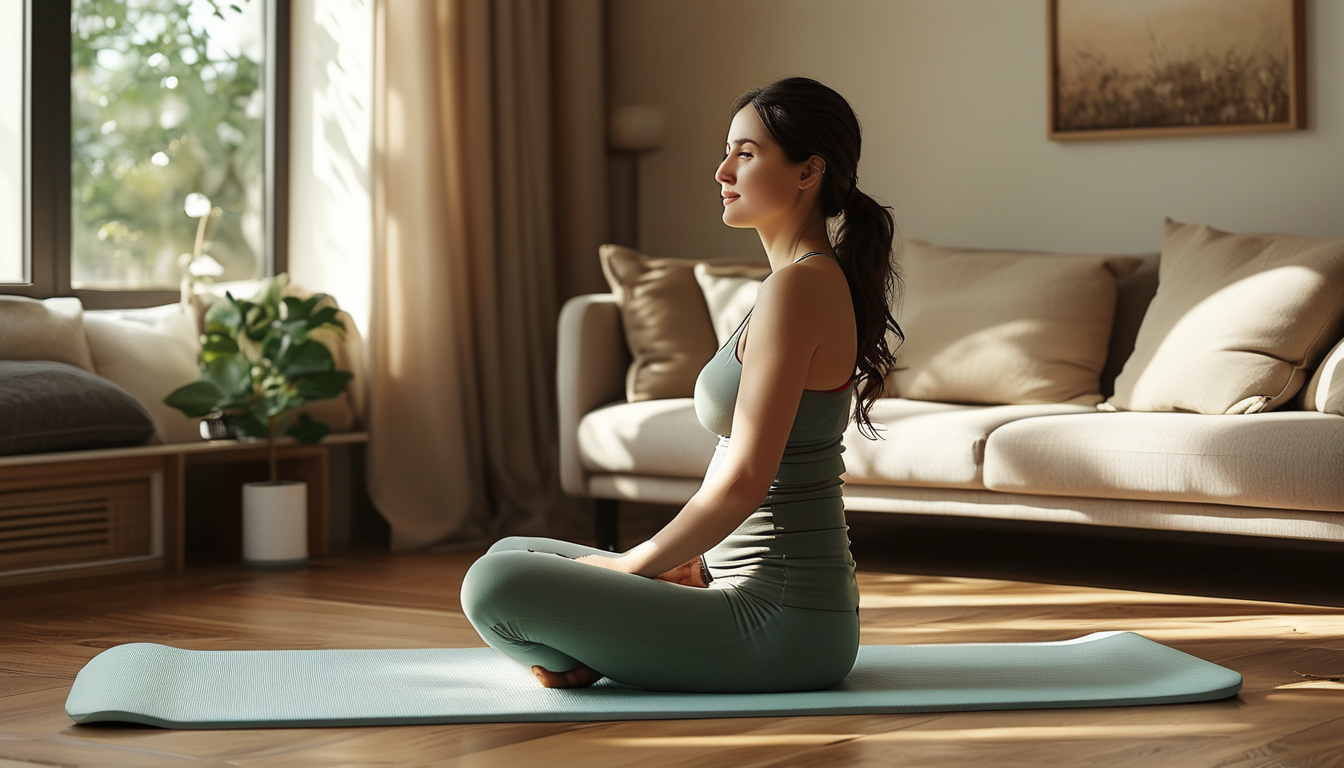
Is there a race to get back to working out?
None whatsoever, no matter what your feed tells you. Social media makes it look like everyone’s back to bootcamp in three weeks. They’re not, and you shouldn’t be either. Your body spent nine months changing and needs real time to recover — rushing risks injury and actually slows healing down. Slow is genuinely faster here, even if it doesn’t feel that way at 2 a.m.
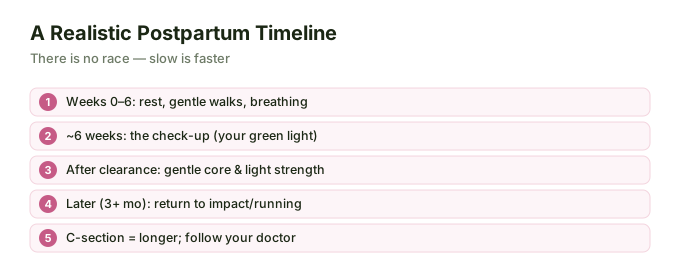
What can I do in the first 6 weeks after birth?
Very little, and that’s by design, not a loophole you’re missing:
- Gentle walking (short, slow) once you feel up to it
- Deep breathing and gentle pelvic floor activation
- That’s genuinely it. Your job right now is healing and keeping a tiny human alive — both full-time jobs on their own.
What happens at the 6-week check-up?
Most providers do a 6-week postpartum check, and this appointment is the green light — or not — for anything more than gentle movement. Don’t skip it, especially before attempting any real core or impact work. Think of it as the checkpoint that tells you whether your body is actually ready, not just whether the calendar says six weeks have passed.
How do I rebuild strength once I’m cleared?
Gently, and in this order:
- Start with gentle core and pelvic floor work (a diastasis recti guide can help you check for and address ab separation)
- Add light strength training and longer walks
- Progress slowly over weeks, not days — your 6-week-cleared body isn’t your pre-baby body yet, and treating it that way is how setbacks happen
When can I go back to running and high-impact workouts?
Running, jumping, and intense workouts come last, often 3+ months out, once your core and pelvic floor are genuinely ready for the load. Rushing impact work is one of the most common ways postpartum injuries happen, so this isn’t a step to skip for the sake of a training streak.
What if I had a C-section, or I’m dealing with pain or leaking?
- C-section? Recovery is longer, and your incision needs extra time and care. Follow your doctor’s specific guidance closely rather than a generic timeline.
- Any pain, heaviness, or leaking? Stop what you’re doing and check with your provider or a pelvic floor physical therapist. These symptoms are your body’s way of flagging that something needs attention, not something to push through.
What should I wear while I get moving again?
Comfortable, supportive high-waisted postpartum leggings make gentle movement feel noticeably better on a healing body. But the real work right now is patience, not gear — you’re not “behind,” you’re recovering, and those are two very different things.

Myth vs. Fact
Myth: If you feel fine, you’re cleared to work out. Fact: Feeling fine and being physically ready aren’t the same thing. Plenty of internal healing — especially around your core and pelvic floor — isn’t something you can feel from the outside, which is exactly why the 6-week check matters.
Myth: Everyone bounces back in a few weeks if they just push through. Fact: What you see on social media is a highlight reel, not a timeline. Real recovery is measured in months, and rushing it is one of the more common paths to injury and setbacks (and here’s the part that surprises a lot of new moms: pushing too hard early can actually slow you down more than resting would have).
Myth: Walking doesn’t really count as “exercise” after birth. Fact: In these early weeks, walking and breathwork are exactly the right amount of exercise. They rebuild your foundation for everything that comes later.
FAQ
How soon after birth can I start exercising?
Gentle movement like short walks and deep breathing can typically start as soon as you feel up to it in the first six weeks, once your provider agrees. Anything beyond that waits for your 6-week clearance check.
When is it safe to start running again after birth?
Running and other high-impact workouts are generally saved for 3 months or more after birth, once your core and pelvic floor have been rebuilt and cleared for impact. Rushing this step is one of the most common causes of postpartum injury.
What symptoms mean I should stop exercising and call my provider?
Increased bleeding, pelvic heaviness, or any pain during or after movement are all signs to stop and check in with your provider or a pelvic floor physical therapist. These are worth addressing promptly rather than waiting to see if they pass.
TL;DR:
- Weeks 0-6: gentle walking and deep breathing only — that’s the whole job.
- Around 6 weeks: get your provider’s check-up and clearance before doing more.
- After clearance: rebuild gently with core, pelvic floor, and light strength work.
- Running, jumping, and intense workouts wait until 3+ months out, once you’re truly ready.
- C-section recovery takes longer; any pain, heaviness, or leaking means stop and check with a professional.
- There’s no prize for rushing — move gently, heal fully, and give your body the time it’s earned.
See It in Motion
Seen here: Maternity Capris with Side Pockets — shop it on bubblelime.com
Keep Reading
This article is for general informational and styling purposes only. Fit, sizing, and product availability may vary.