A Gentle Walking Plan for New Moms

Quick Answer: Start with 5 to 10 minutes of easy, conversational-pace walking once your provider clears you, then build gradually to 15 to 20 minutes over the following weeks. Walking is low-impact, needs no equipment, and is one of the safest ways to start moving again after birth — just let your body set the pace, not the clock.
Newborn life doesn’t leave much room for “working out.” Some days, a shower counts as a personal victory. But you don’t need a gym bag or a plan full of burpees to start feeling like yourself again — you need a door, a pair of shoes, and about ten minutes.

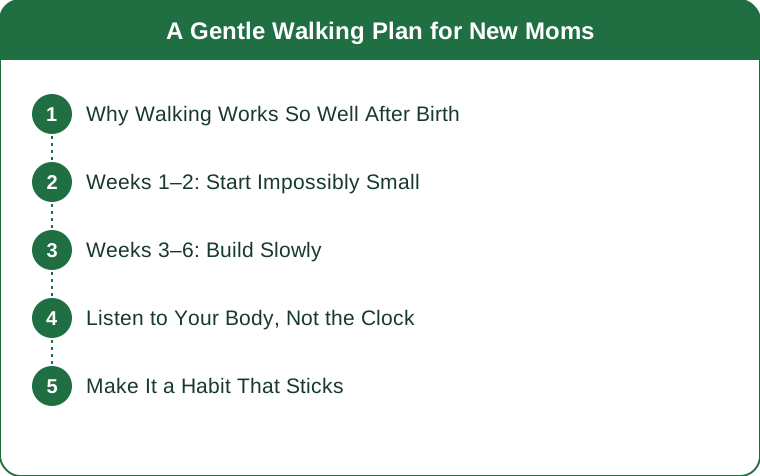
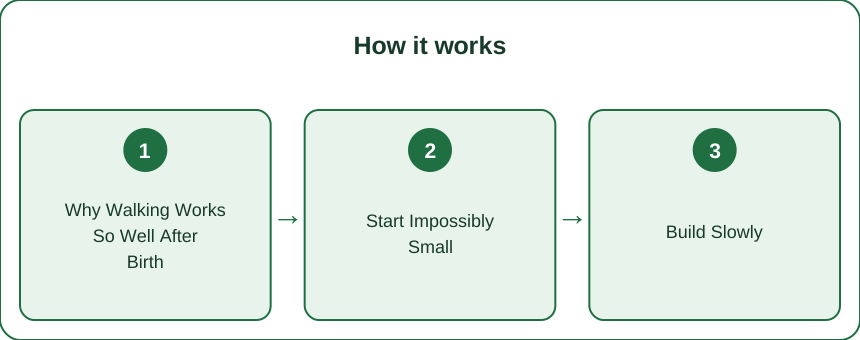
Why does walking work so well after birth?
Walking is low-impact, needs zero equipment, and gently reawakens the muscles that carried you through pregnancy. It boosts circulation, supports healing, and gets you outside — which does as much for your head as it does for your body. Best of all, your baby can come right along in the stroller or carrier, so it’s one of the only “workouts” that doesn’t require a babysitter.
Always get the green light from your provider first, especially if you had a C-section or a more complicated delivery. Every body recovers on its own timeline, and that timeline isn’t up for negotiation with Instagram.
How much should I walk in weeks 1-2?
Begin with 5 to 10 minutes at an easy, conversational pace — you should be able to chat without getting winded. The goal isn’t distance or speed; it’s simply moving, breathing fresh air, and letting your body remember what gentle activity feels like. If five minutes is all you have in the tank today, five minutes counts. Full stop.

How do I build up my walks in weeks 3-6?
As you feel stronger, stretch your walks to 15 to 20 minutes and add a second short walk if your schedule allows. Pay attention to how your core and pelvic floor respond, and back off if anything feels heavy, achy, or “off.” Progress here is measured in weeks, not days — and that’s exactly the pace it should be. Nobody hands out medals for rushing week 2 into week 6.
How do I know if I’m doing too much, too soon?
Listen to your body over the clock, every time. Bleeding that increases, pelvic heaviness, or pain are all clear signals to slow down and rest. Recovery isn’t linear, and some days you’ll simply need to stay home — that’s not a failure, that’s data. Meeting your body where it is each day is the whole skill here, not some abstract bonus round.
How do I actually make walking a habit that sticks?
Pair your walk with something you already do — the baby’s first nap, or that afternoon fussy spell that fresh air tends to soothe better than almost anything else. Keep your shoes by the door and your expectations low (this is a compliment to yourself, not an insult). A ten-minute walk you actually take beats a perfect 45-minute plan you never start.
What Nobody Tells You
Nobody tells you that “just walking” can feel harder than a real workout used to, and that’s completely normal — your body just did the equivalent of running a marathon it didn’t train for. Nobody tells you that some days you’ll walk to the mailbox and call it done, and that still counts. And nobody tells you the third week is often the one that surprises people most: energy starts trickling back right around when the walks start feeling less like a chore and more like the best ten minutes of your day.
A quick, honest caveat: this plan is general guidance, not a substitute for your own provider’s advice. If you have any pain, unusual bleeding, or a feeling that something isn’t right, stop and check in with your doctor or a pelvic floor physical therapist rather than pushing through.
FAQ
How soon after birth can I start walking?
Most providers clear gentle walking once you feel physically ready and have their go-ahead, which is often earlier than people expect for short, easy walks. Always confirm with your own provider first, especially after a C-section or complicated delivery.
How long should postpartum walks be at first?
Start with just 5 to 10 minutes at an easy pace, then build toward 15 to 20 minutes over the following weeks as your body allows. There’s no rush — consistency matters far more than duration in these early weeks.
What symptoms mean I should stop walking and rest?
Increased bleeding, a heavy or dragging feeling in your pelvis, or any pain are all signs to stop and rest. If those symptoms continue or worsen, check in with your provider or a pelvic floor physical therapist.
TL;DR:
- Get provider clearance first, then start with just 5-10 minutes of easy, conversational-pace walking.
- Build gradually to 15-20 minutes (plus a second short walk) over weeks 3-6 — progress in weeks, not days.
- Increased bleeding, pelvic heaviness, or pain mean slow down and rest, no exceptions.
- Pair walks with an existing routine (nap time, fussy hour) so the habit actually sticks.
- A short walk you take beats a perfect plan you never start.
- This is general guidance — check with your provider or a pelvic floor physical therapist for anything that feels off.
See It in Motion
Seen here: Maternity Capris with Side Pockets — shop it on bubblelime.com
Keep Reading
This article is for general informational and styling purposes only. Fit, sizing, and product availability may vary.