The Postpartum Strength Comeback: From Cleared to Confident

Quick Answer: After your postpartum clearance, spend the first month on breathing, walking, and bodyweight patterns, then gradually add light weights around months two to three, and build toward a real twice-weekly strength routine by month three to six. Let symptoms — not the calendar — set your pace, and get a professional assessment before returning to running or jumping.
Your doctor says the magic words at your six-week visit: “You’re cleared.” Then you walk out to the parking lot and realize nobody actually told you cleared for what, or in what order. Here’s the phase-by-phase plan that answers those questions honestly.

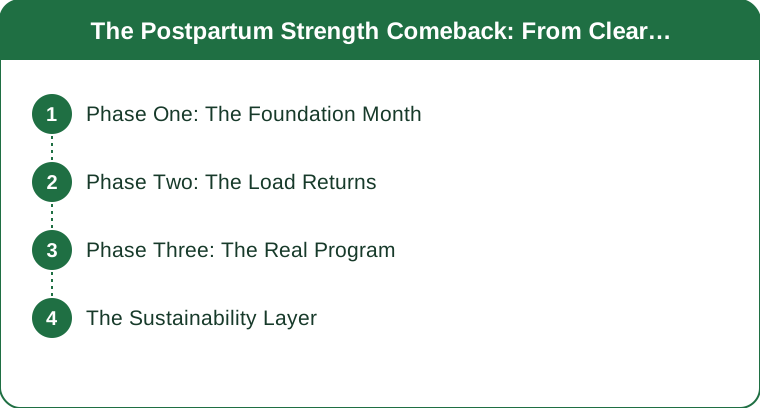
What Should You Do in the First Month After Postpartum Clearance?
Think of weeks one through four post-clearance as rebuilding the foundation before you load anything onto it. This is core-and-floor work first, not a return to your old gym routine.
- Breath-work reconnection: pelvic tilts, heel slides, and bridges — the diastasis-aware basics
- Walking base: build up duration first, worry about pace later
- Movement rehearsal with zero load: bodyweight squats to a chair, wall push-ups, doorway rows
The rule that governs this whole phase is simple: no symptoms is your speed limit. If something causes heaviness, leaking, or doming, that exercise waits — it doesn’t mean you failed, it just means your body is telling you it’s not ready yet.
When Can You Start Adding Weight Back Into Your Workouts?
Around months two to three, light load starts to enter the picture — and “light” is doing a lot of work in that sentence. Your baby is already a progressive-overload device at this point, so the gym math can start easy and still count.
- Goblet squats and light dumbbell work, added crisp and controlled
- Hinge pattern rebuild: glute bridges graduating into deadlift patterns, since picking things up is your new full-time job
- Rows to repair the rounded, feeding-and-carrying posture your upper back has been stuck in
- Impact stays parked — running and jumping audition last, because your pelvic floor gets a vote before anything else

A pelvic-health physical therapy assessment before you return to running or jumping is genuinely the gold-standard move here, not an overcautious extra step. It’s worth the appointment.
What Does a Real Postpartum Strength Program Look Like by Month Three?
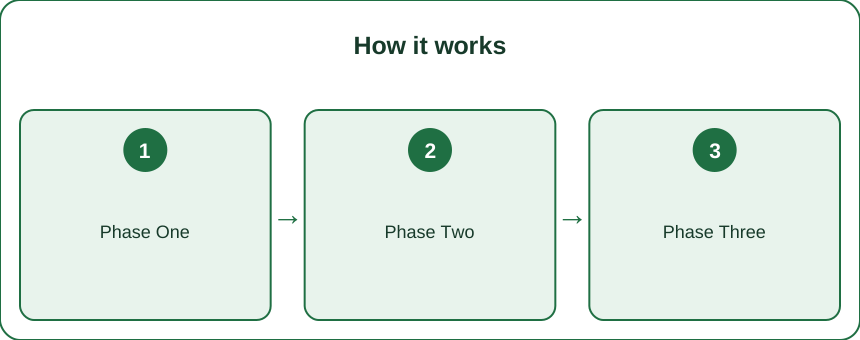
By months three to six, most women are ready for something that looks like an actual structured program: twice-weekly sessions built around squat, hinge, push, pull, and carry, paced to your recovery rather than a generic template.
Impact can return gradually if you’re symptom-free — think walk-run intervals and low hops before you jump back into real running or jumping workouts. The numbers start mattering again here too, and progressive overload can resume its rightful place in your training.
Here’s the honest milestone: many women are stronger at month nine than they were pre-pregnancy. The comeback isn’t really a “return” — for a lot of women, it’s an upgrade.
How Do You Make a Postpartum Fitness Routine Actually Stick?
The plan only works if it fits into a life that now includes a baby who doesn’t care about your workout schedule. A few rules that keep it realistic:
- Sessions live at 20-30 minutes — the nap-window is the real unit of postpartum time
- Home-first equipment beats a gym commute during this season of childcare logistics
- The sleep-drought amendment always applies — a rough night downshifts the plan, it doesn’t cancel it
- Swap “bouncing back” for “rebuilding athlete” as your mental framing — your body did something enormous, so train it forward, not backward
Myth vs Fact: Postpartum Strength Training
- Myth: You should be back to your pre-pregnancy workouts by six weeks. Fact: Six weeks is clearance to start rebuilding, not a finish line — most real strength gains happen over months three through nine.
- Myth: Running is the safest first cardio to return to. Fact: Running and jumping should come last, after strength work and ideally a pelvic floor assessment, because impact is the hardest thing on a recovering core and pelvic floor.
- Myth: If you’re not sore, it’s not working. Fact: In this phase, “working” means your deep core and pelvic floor firing correctly — that can happen with zero soreness at all.
Postpartum Strength Comeback FAQ
How long after birth can I start strength training again?
Most providers clear light movement around six weeks, but a true strength program usually builds gradually from month one through month six post-clearance. Always confirm your individual timeline with your own doctor first.
Is it safe to lift weights while breastfeeding?
Generally yes, and staying active can support energy and mood, but keep loads light early on and stay well hydrated. If you have any concerns specific to your recovery, check with your provider before adding weight.
When can I go back to running after having a baby?
Running is usually one of the last things to return, often not until three months or later, and ideally after a pelvic-health physical therapy assessment. Symptom-free walk-run intervals are a good bridge before jumping back into regular running.
TL;DR:
- Month one: breathing, core reconnection, walking, and zero-load movement patterns
- Months two to three: light dumbbell work and hinge patterns enter, impact still waits
- Months three to six: a real twice-weekly squat-hinge-push-pull-carry program
- Get a pelvic-health assessment before returning to running or jumping
- Let symptoms set the pace, keep sessions short, and reframe this as building forward, not bouncing back
See It in Motion
Seen here: Maternity Capris with Side Pockets — shop it on bubblelime.com
Keep Reading
This article is for general informational and styling purposes only. Fit, sizing, and product availability may vary.