The Realistic Timeline for Returning to Running After Birth

Quick Answer: Most postpartum running guidelines now emphasize a graduated walk-to-run progression starting around 3 months (not the old 6-week mark), built on a foundation of pelvic floor and core function rather than a fixed calendar date.
‘Cleared at six weeks’ is a checkup milestone, not a running readiness test — and treating it as one is the single most common mistake new runners make postpartum.

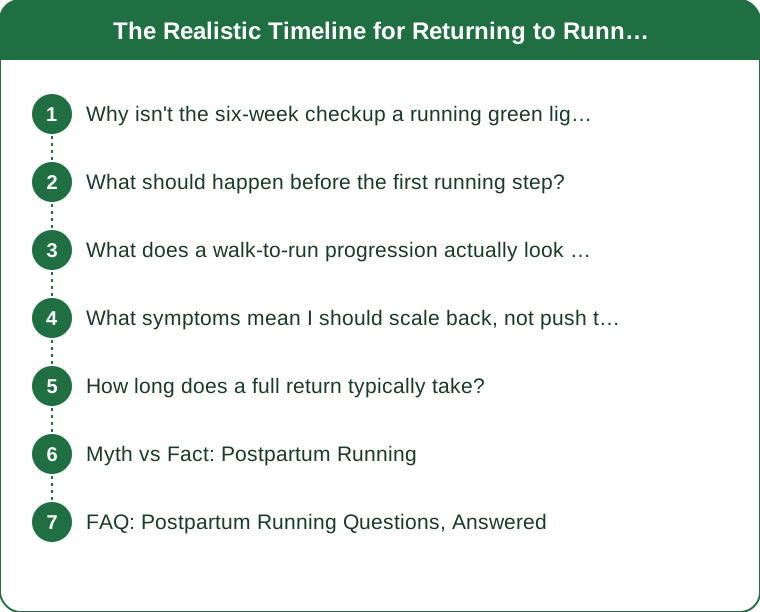
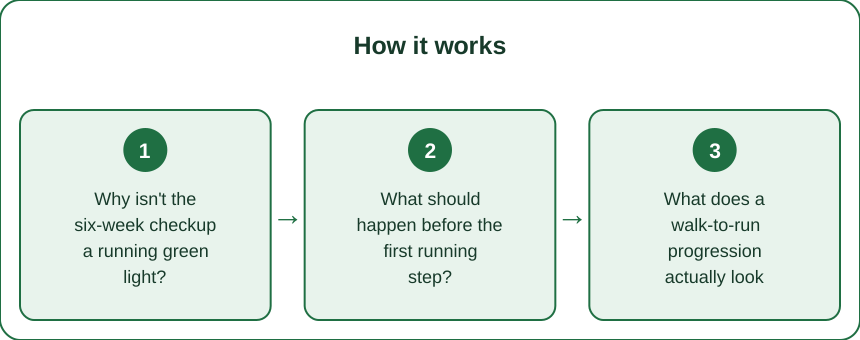
Why isn’t the six-week checkup a running green light?
The six-week postpartum visit typically checks that healing is progressing normally — it’s not a functional assessment of pelvic floor strength, core coordination, or impact tolerance, all of which running actually demands.
Many physical therapists now recommend a separate postpartum-specific assessment before returning to any impact activity, ideally with a pelvic floor specialist.
What should happen before the first running step?
Comfortable walking for 30 minutes, the ability to do a single-leg balance without pelvic instability, and no leaking or heaviness during daily movement are common baseline markers used by postpartum rehab specialists before introducing impact.
These aren’t arbitrary hurdles — they’re proxies for whether your core and pelvic floor can absorb the repetitive impact running involves.
What does a walk-to-run progression actually look like?
A common structure is alternating one minute of running with one to two minutes of walking, for a total of 20-30 minutes, two to three times per week, only progressing the run:walk ratio when a session causes zero symptoms.
‘Zero symptoms’ means no leaking, no heaviness, no pain — not just ‘it felt okay at the time.’ Symptoms the next day still count.

What symptoms mean I should scale back, not push through?
Leaking during or after a run, a dragging or heavy sensation in the pelvis, lower back pain, or doming along the midline of the abdomen are all signals to reduce impact and rebuild the foundation, not power through.
These symptoms are common but not something to just accept as inevitable — they’re the body telling you the current load exceeds current capacity.
How long does a full return typically take?
Highly individual, but many postpartum runners report a full return to pre-pregnancy mileage and pace somewhere between 4 and 9 months, not the 6-8 weeks pop culture often implies.
Birth type, prior fitness level, breastfeeding status, and sleep all genuinely affect this timeline — comparing your progress to someone else’s is rarely useful.
Myth vs Fact: Postpartum Running
Myth: if it doesn’t hurt, it’s fine. Fact: leaking and heaviness are often painless but still indicate the pelvic floor isn’t yet managing the load — pain isn’t the only warning sign that matters.
Myth: a C-section means a longer wait than vaginal birth, always. Fact: recovery timelines vary by individual healing and core function more than delivery type alone, though C-section does involve its own specific tissue healing considerations.
FAQ: Postpartum Running Questions, Answered
Can I run while breastfeeding?
Yes, generally — feed or pump shortly before running for comfort, and supportive nursing sports bras are worth the investment.
Is it normal to feel less coordinated running postpartum?
Yes, temporarily — core and pelvic changes affect proprioception, and this typically improves with consistent, graduated training.
Should I see a pelvic floor PT even without symptoms?
Many specialists recommend a baseline assessment for all postpartum runners, symptomatic or not, as a preventive step rather than only a reactive one.
TL;DR:
- The six-week checkup is a healing check, not a running readiness test
- Build a walking and single-leg balance foundation before adding impact
- Use a graduated walk-to-run ratio, progressing only on zero-symptom sessions
- Leaking, heaviness, and doming mean scale back — even without pain
- Full return often takes 4-9 months, and that range is normal
This is general information, not medical advice — a pelvic floor specialist can assess your individual readiness.
See It in Motion
Seen here: Maternity Capris with Side Pockets — shop it on bubblelime.com
Keep Reading
This article is for general informational and styling purposes only. Fit, sizing, and product availability may vary.