The Complete Guide to C-Section Scar Tissue Mobilization

Quick Answer: C-section scar tissue can restrict movement and contribute to core weakness for years if it isn’t gently mobilized once fully healed (typically 6-8 weeks postpartum, with clearance from your provider). Scar massage, gentle stretching, and layered tissue work restore mobility and reduce adhesion-related discomfort. This is general information, not medical advice.
Most people are told a C-section scar heals in six weeks and never given guidance beyond that. In reality, the tissue underneath the visible scar can stay restricted for far longer, quietly affecting posture, core engagement, and even lower back comfort — and there’s a lot you can do about it once you’re cleared to start.

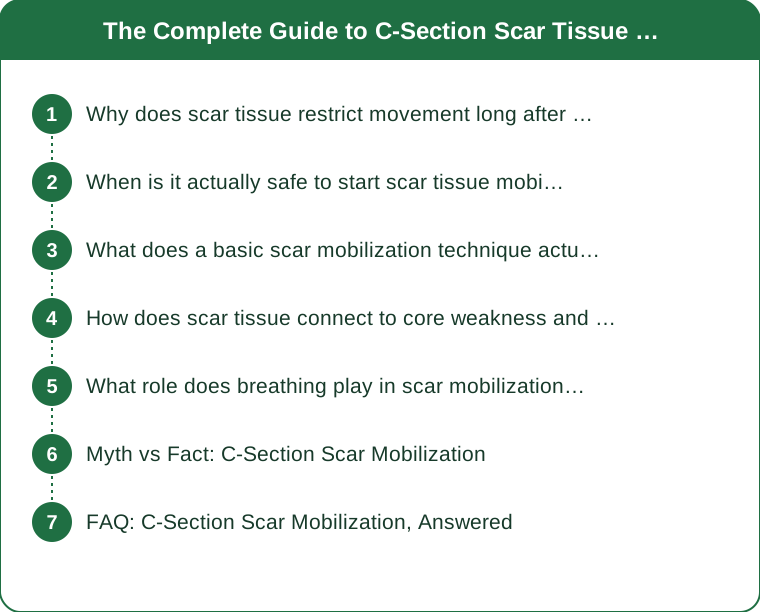
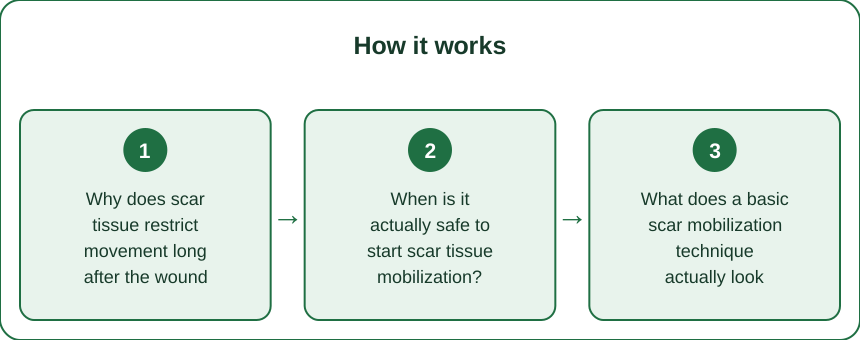
Why does scar tissue restrict movement long after the wound looks healed?
A C-section cuts through multiple layers — skin, fascia, and abdominal muscle — and each layer can heal at a slightly different rate and stick to the layers around it, forming adhesions that limit how those tissues glide against each other during normal movement. The surface scar can look completely healed while the deeper layers are still restricted, which is why appearance alone isn’t a reliable guide to whether mobilization work is needed.
This restricted gliding is a common, underrecognized contributor to the ‘numb but tight’ feeling many people describe around their scar for months or years after delivery, and it often responds well to consistent, gentle mobilization work once cleared to start.
When is it actually safe to start scar tissue mobilization?
Most providers clear gentle scar work starting around 6-8 weeks postpartum, once the incision has fully closed and any scabbing has resolved — but this varies by individual healing and should be confirmed at your postpartum follow-up rather than assumed from a general timeline. Starting too early, before the deeper layers have had time to knit together, can interfere with healing rather than help it.
Signs you’re not ready yet include any open areas, ongoing drainage, or significant pain at rest — all of these warrant a check-in with your provider before beginning any scar work.
What does a basic scar mobilization technique actually look like?
The foundational technique is simple: using one or two fingers, gently press and move the skin around the scar in small circles, then along the scar line itself, working from light pressure toward slightly firmer pressure as tolerated over several weeks. This is typically done for 2-3 minutes daily, and the goal in the early stages isn’t deep pressure — it’s simply reintroducing sensation and gentle movement to tissue that’s been numb and immobile.
As sensitivity decreases (often over several weeks), you can progress to skin rolling (gently lifting and rolling the skin along the scar between your fingers) and cross-friction massage along the scar line, both of which target the deeper adhesions more directly.

How does scar tissue connect to core weakness and posture issues?
The abdominal fascia is a continuous sheet of connective tissue, and restriction at the scar site can transmit tension throughout that entire sheet, subtly affecting how well your deep core muscles (particularly the transverse abdominis) engage during everyday movement and exercise. This is part of why some people continue to struggle with core reconnection long after physically healing, even with consistent core-focused exercise.
Mobilizing the scar tissue itself, alongside standard postpartum core rehab, often resolves engagement issues that core exercises alone don’t fully address — the two approaches work better together than either does separately.
What role does breathing play in scar mobilization work?
Diaphragmatic breathing (deep belly breathing) during scar massage sessions helps down-regulate the nervous system’s guarding response around the scar area, which is often heightened due to nerve disruption from the surgery itself. Many people find the area around a C-section scar feels either numb or hypersensitive for a long time, and calm, deep breathing during mobilization work helps recalibrate that altered sensation gradually.
Pairing breath with movement also naturally engages the deep core system, making scar mobilization sessions do double duty as gentle core reconnection work.
Myth vs Fact: C-Section Scar Mobilization
Myth: Once the scar looks healed on the surface, there’s nothing more to do. Fact: Surface healing and deep tissue mobility are separate processes — the visible scar can look fully closed while adhesions beneath it are still restricting movement.
Myth: Scar massage should be painful to be effective. Fact: Effective scar work is gentle, especially in the early months. Pain during mobilization is a sign to reduce pressure, not push through it.
FAQ: C-Section Scar Mobilization, Answered
How long after a C-section can scar tissue still be causing issues?
Adhesions can persist for years without intervention, though most people notice meaningful improvement within a few months of consistent, gentle mobilization work once cleared to start.
Can numbness around the scar improve with mobilization?
Often, yes — some nerve regeneration and sensation change is common over the first year, and gentle massage can support this process, though full sensation doesn’t return for everyone.
Should I see a pelvic floor therapist instead of doing this on my own?
A pelvic floor or postpartum-specialized physical therapist can assess your specific scar and core function and is a good option, especially if you’re noticing ongoing pain, core weakness, or significant restriction — this guide is general information, not medical advice.
TL;DR:
- A healed-looking scar surface doesn’t mean the deeper tissue layers have regained full mobility
- Most providers clear gentle scar work around 6-8 weeks postpartum, confirmed individually
- Start with light circular pressure, progressing to skin rolling as sensitivity decreases
- Scar restriction can affect core engagement — mobilization and core rehab work best together
- Breathing during scar work helps calm the nervous system’s guarding response around the area
This is general information, not medical advice — check with your provider before beginning any scar mobilization work, especially if healing has been complicated.
See It in Motion
Seen here: Maternity Capris with Side Pockets — shop it on bubblelime.com
Keep Reading
This article is for general informational and styling purposes only. Fit, sizing, and product availability may vary.