C-Section Recovery Week by Week: What Actually Happens (and What's Normal at Each Stage)

Quick Answer: C-section recovery moves through distinct phases — acute pain and mobility limits in week 1, incision healing and fatigue in weeks 2-4, internal healing and scar tissue formation through week 6, and continued core and scar changes for up to a year. The ‘6 week clearance’ marks a milestone, not a finish line.
Most people are told ‘6 weeks and you’re healed,’ get to week 6, and still feel numb around the incision, tired, or unsure why certain movements still feel wrong. That gap between the timeline you were given and what you’re actually experiencing is normal — here’s what’s really happening at each stage.

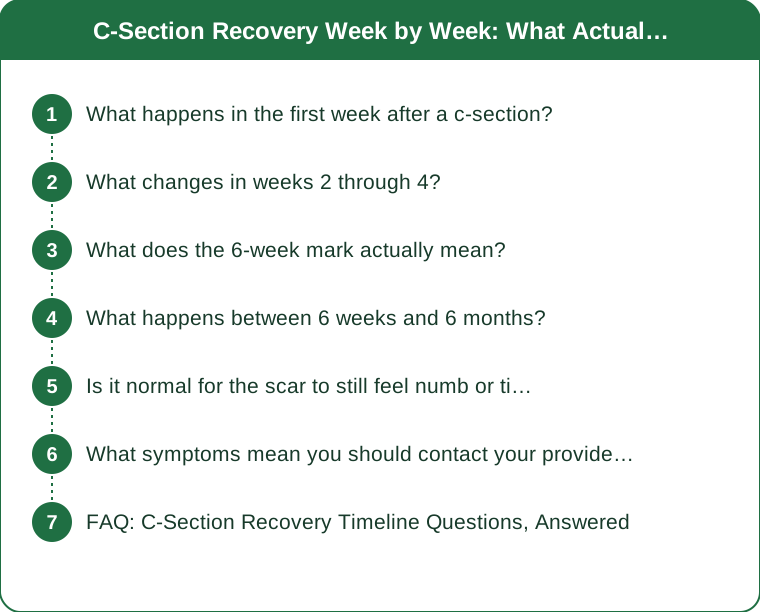
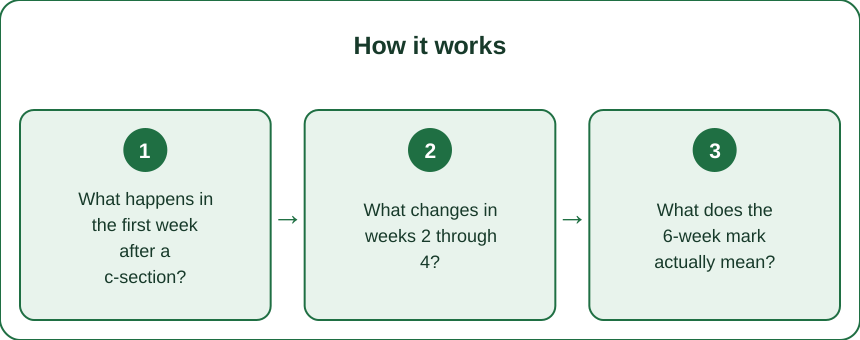
What happens in the first week after a c-section?
The first week is dominated by incision pain, limited mobility, and the physical work of caring for a newborn on top of major abdominal surgery. Getting in and out of bed, sitting up, and even laughing or coughing can pull at the incision noticeably.
This is the week where using a pillow to brace your abdomen when moving, standing, or coughing genuinely helps — it’s not a minor comfort trick, it measurably reduces strain on the healing tissue. Walking short distances is encouraged early (it reduces clot risk and helps digestion restart) but should be slow and brief, not a fitness goal.
Swelling, especially around the incision and legs, is common and usually peaks around days 3-5 before gradually improving. Some numbness around the incision is expected and can persist for months — the nerves there were cut and are regrowing slowly.
What changes in weeks 2 through 4?
The visible incision typically closes and starts fading in color during this window, but healing underneath continues well past what you can see. Layers of muscle, fascia, and tissue beneath the skin heal on a much slower timeline than the skin itself.
Fatigue often peaks here, not in week one — the adrenaline and acute-care mode of week 1 fades, and the accumulated sleep deprivation plus ongoing tissue repair catches up. This is also when many people start feeling emotionally more up-and-down, which is a mix of hormonal shifts, exhaustion, and the mental adjustment to recovery taking longer than hoped.
Light walking can usually increase gradually, but anything involving core engagement, lifting beyond the baby’s weight, or abdominal strain should wait — this is still an active healing window internally even as things look better on the surface.
What does the 6-week mark actually mean?
The 6-week checkup and ‘clearance’ from a provider means you’re cleared for activities like driving, sex, and starting to reintroduce light exercise — it does not mean full internal healing is complete. Scar tissue, fascia, and deep core function continue developing strength and integration for months afterward.
Many people feel pressure at this milestone to ‘be back to normal’ because that’s the number they were given early on. Feeling like your core still isn’t reliable, or that certain movements pull strangely at the scar, at exactly 6 weeks is common, not a sign something went wrong.
This is the appropriate point to start structured, gentle core reconnection work (diaphragmatic breathing, gentle pelvic floor engagement) rather than jumping into pre-pregnancy workout intensity.

What happens between 6 weeks and 6 months?
This window is where most of the real functional recovery happens, even though it gets far less attention than the first 6 weeks. Scar tissue continues to soften and become less adhered to underlying tissue (helped significantly by gentle scar massage once fully closed and cleared). Core strength rebuilds gradually if you’re doing appropriate exercises, and numbness around the incision slowly decreases for most people, though some residual numbness can be permanent.
Some soreness or pulling sensations around the scar during specific movements (twisting, certain stretches) are common through this period and don’t necessarily indicate a problem — but new or worsening pain deserves a check-in with your provider rather than assuming it will resolve on its own.
Energy levels typically continue improving here too, though sleep disruption from a growing baby can mask how much physical recovery has actually happened.
Is it normal for the scar to still feel numb or tight after a year?
Yes, for many people. Full nerve regeneration around a c-section scar can take a year or longer, and some numbness can be permanent for a portion of people — this varies significantly and isn’t something you did wrong. Scar tissue tightness can also persist, especially if scar massage wasn’t started or was inconsistent once cleared to do so.
If tightness is limiting movement or causing pain during exercise or daily activities well past a year, a pelvic floor physical therapist can assess and treat adhesions specifically — this is a legitimate and often underused resource that many people aren’t told about at their postpartum checkup.
What symptoms mean you should contact your provider rather than wait?
Certain signs at any stage of recovery warrant a call rather than watching and waiting: fever, increasing redness or warmth around the incision, discharge with a foul odor, sudden increased pain after things were improving, or heavy bleeding. These can indicate infection or another complication that needs prompt attention, not reassurance that it’s ‘just part of healing.’
Emotional symptoms matter too — persistent sadness, anxiety, or feeling disconnected that doesn’t lift should be raised with your provider; postpartum mood changes are common but treatable, and c-section recovery specifically can compound feelings of frustration if the physical timeline doesn’t match expectations.
FAQ: C-Section Recovery Timeline Questions, Answered
How long until I can exercise normally after a c-section?
Most providers clear light activity at 6 weeks and gradual return to full exercise by 3-4 months, but this varies by individual healing and should be guided by your specific provider, not a general timeline.
Is it normal to still feel pain at 3 months?
Mild, occasional pulling or soreness around the scar can persist for months. New, worsening, or sharp pain at 3 months should be evaluated rather than assumed normal.
When can I start scar massage?
Only once your incision is fully closed and your provider has cleared it, typically around 6-8 weeks. Starting too early on unhealed tissue can cause irritation or reopening.
TL;DR:
- Week 1: acute pain, limited mobility, expected swelling and numbness
- Weeks 2-4: visible healing continues but fatigue and deep tissue repair often peak
- 6 weeks: cleared for daily activities, not fully internally healed
- 6 weeks-6 months: the real functional recovery window, often overlooked
- Numbness and tightness can persist a year or more for some people, and that’s normal
This is general information, not medical advice — any fever, worsening pain, or signs of infection at any stage should go to your provider immediately rather than waiting.
See It in Motion
Seen here: Maternity Capris with Side Pockets — shop it on bubblelime.com
Keep Reading
This article is for general informational and styling purposes only. Fit, sizing, and product availability may vary.